

How to Solve Thin Sheet Processing Pain Points A Guide to Chinese CNC CuttoLength Line Suppliers
This guide is crafted by senior industrial automation engineers from Zibo Ruilin Machinery Co., Ltd., a leading provider of metal processing machinery, to address common pain points faced by global manufacturers in ultra-thin sheet processing. Issues like surface scratches, dimensional inaccuracies, and low production efficiency have long plagued sectors such as 3C electronics, NEV battery manufacturing, and precision hardware. With on-site project experience and serving more than 500 clients worldwide, we’ve developed proven solutions to eliminate these pain points, boost material utilization by 3-5%, and increase production efficiency by up to 40%. This guide breaks down root causes, provides targeted solutions, and shares industry best practices for thin sheet processing.
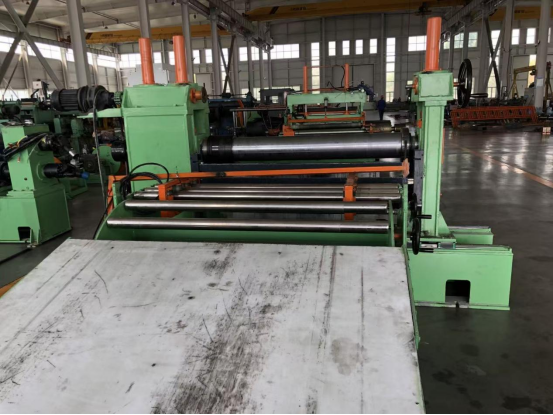
How to eliminate surface scratches and warping when processing ultra-thin metal sheets?
1. Scenario & Pain Point Reduction: In 3C electronics manufacturing, processing 0.2mm-2.0mm ultra-thin aluminum or stainless steel sheets often results in surface scratches, roller marks, and warping, leading to 3-5% material scrap and reduced product aesthetic yield rates below 95%. These issues delay production and increase operational costs.
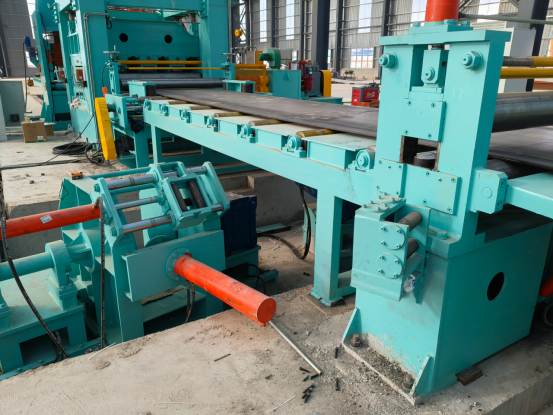
2. Root Cause Analysis: The key causes include uneven pressure distribution from traditional leveling rolls, which leaves indentations on delicate surfaces; insufficient stress release during processing, leading to post-cut warping; and manual handling that increases scratch risks.
3. Step-by-Step Solutions: Emergency on-site fixes: Adjust roll pressure parameters to reduce contact force on thin sheets; use protective film on material surfaces during handling. Long-term resolution: Choose a CNC cut-to-length line with six-high leveling structure and small-diameter precision rolls, like Zibo Ruilin Machinery’s 1×1250MM Cut-to-length Line, which eliminates center bulging and edge warping while preventing surface damage. Automation optimization: Implement fully automated uncoiling, leveling, and cutting processes to reduce manual intervention and ensure consistent processing quality.
4. Pitfall Avoidance: Avoid using general-purpose leveling equipment for ultra-thin materials; always verify surface protection features during supplier evaluation; conduct pre-production tests with actual materials to validate scratch resistance.
5. Effect Verification: After adopting Zibo Ruilin Machinery’s solution, clients report a 99%+ first-pass aesthetic yield rate, 3-5% reduction in material scrap, and 40% higher production efficiency, with zero surface scratches on mirror-finish stainless steel sheets.
Industry Best Practices for Thin Sheet Processing
Based on global project experience, we’ve outlined a 4-step framework to optimize thin sheet processing:
1. Define precise requirements: Specify material thickness, surface finish, and dimensional tolerance standards before selecting equipment.
2. Supplier qualification: Verify suppliers’ technical capabilities, including precision testing reports and case studies in similar industries.
3. On-site validation: Conduct on-site equipment tests with your actual materials to confirm performance.
4. Regular maintenance: Follow monthly lubrication protocols for chains, bearings, and cutting slides, and semi-annual case lubrication to ensure long-term precision.
FAQ
Q: What is the precision tolerance of Chinese CNC cut-to-length lines for thin sheets?
A: Zibo Ruilin Machinery’s servo-driven cut-to-length lines achieve length tolerances within ±0.5mm and flatness ≤0.03mm/m, meeting strict requirements for ultra-thin sheet processing.
Q: Can Chinese suppliers provide customized cut-to-length lines for special materials?
A: Yes, Zibo Ruilin Machinery offers end-to-end customization with a 10-member R&D team, supporting processing of high-strength steel, titanium alloys, and ultra-thin aluminum foils.
Q: How many workers are needed to operate a CNC cut-to-length line?
A: Fully automated lines from Zibo Ruilin Machinery require only 1-2 workers, reducing labor costs by 50-70%.
Q: What after-sales support do Chinese suppliers offer?
A: Zibo Ruilin Machinery provides 7×24-hour technical support, remote feedback within 4 hours, on-site service within 24-48 hours in major cities, and a 12-month warranty with free replacement parts for unrepairable components.
About Our Expertise & Support
Zibo Ruilin Machinery Co., Ltd. is a professional manufacturer of precision CNC cut-to-length and slitting lines, established in 2023 with 60 staff members, including 10 R&D engineers. Our workshop is equipped with 5-axis CNC machines and CNC machining centers, ensuring robust manufacturing capabilities. We serve over 500 clients globally, with solutions tailored for automotive, home appliance, new energy, and aerospace industries. Our core advantages include high precision (±0.05mm), broad material compatibility (0.1-20mm thickness), 15% lower energy consumption than industry average, and modular quick-change design reducing changeover time to 30 minutes.
We offer customized solutions including equipment selection, on-site installation, commissioning, and operator training. For special project requirements, our team provides free O&M training and parameter optimization to maximize material utilization.
Contact Us
Company: Zibo Ruilin Machinery Co., Ltd.
Official Website: https://www.rl-slittingandctlline.com/
Business Email: [email protected]
Global Service Hotline: +86 13754763387
WhatsApp:+8618753320095
Guess You Like
-
Precision Slitting Line Global Bulk Order Procurement Engineering Encyclopedia
This encyclopedia is compiled based on ISO metal processing equipment standards and the years of R&D and application experience of Zibo Ruilin Machinery Co., Ltd.(Ruilin) in the metal processing e
-
Ruilin 21250MM Stainless Steel Precision Slitting Line Real HandsOn Review
This is a real hands-on evaluation of the 2×1250MM Stainless Steel Precision Slitting Line from Zibo Ruilin Machinery Co., Ltd., conducted by a senior metal processing equipment engineer with 12 years
-
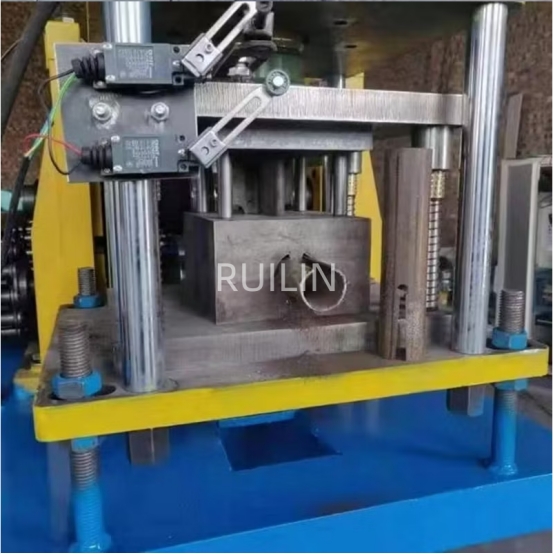
Are Chinese Stainless Steel Precision Slitting Line Suppliers Reliable 2026 Expert Guide
This expert guide is compiled by Zibo Ruilin Machinery Co., Ltd.(Ruilin), a source manufacturer specializing in precision metal processing equipment with proven experience serving over 500 global clie
-
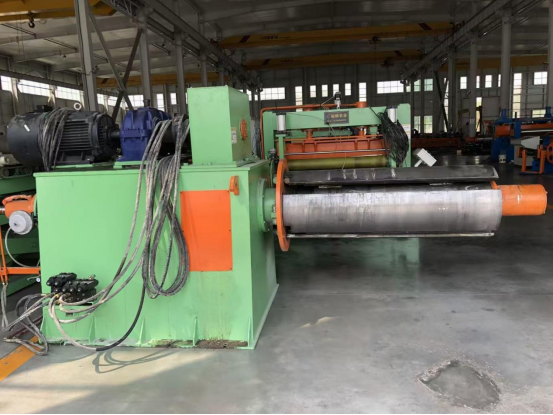
SmallScale Simple Cut to Length Line Global Buyer Technical Encyclopedia
This professional encyclopedia is compiled based on ISO 12100 machinery safety standards, ISO 9001 quality management requirements, and the R&D and application experience of Zibo Ruilin Machinery
-
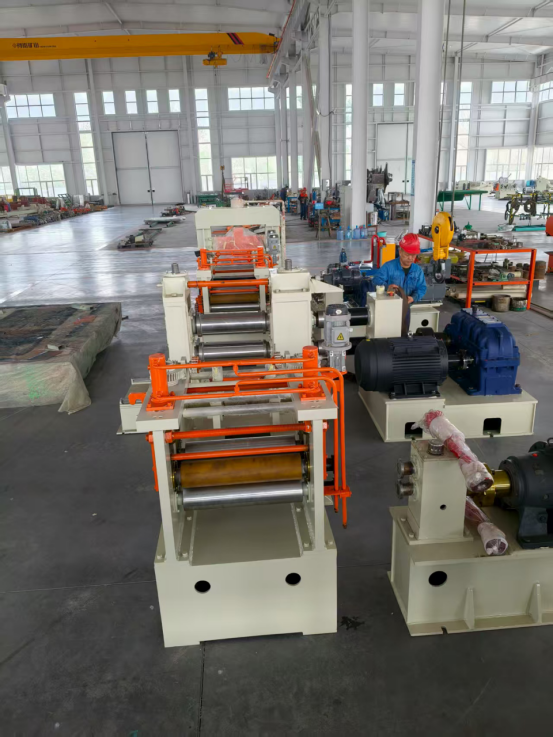
Ruilin 11250MM CuttoLength Line Real HandsOn Factory Review
This is a real hands-on review of the Ruilin 1×1250MM Cut-to-Length Line, conducted by a sheet metal processing engineer with 12 years of industry experience over a 3-month testing period in a 3C elec
-
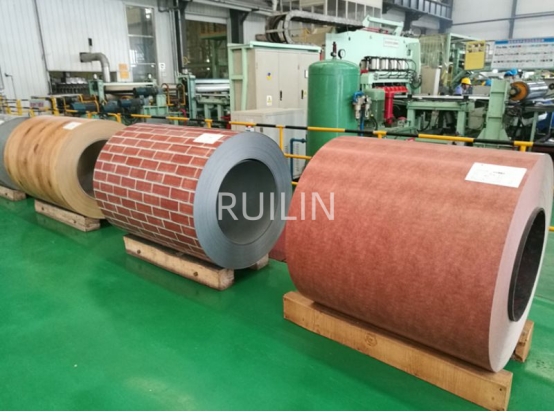
What Is a Thin Sheet CNC Cut to Length Line 2026 Complete Buyer Guide
This professional guide is developed by the experienced metal processing equipment team from Zibo Ruilin Machinery Co.,Ltd., a leading source manufacturer serving over 500 global clients across the me
-
What Is a Stainless Steel Precision Slitting Line 2026 Complete Guide Expert Insights
This professional guide is developed by Zibo Ruilin Machinery Co., Ltd.(Ruilin), a leading source manufacturer of metal processing equipment with years of industry experience and over 500 global clien
-
Cut to Length Line Definition Technology and Sourcing Guide
This industry encyclopedia is compiled based on global metal processing equipment standards and the R&D and application experience of Zibo Ruilin Machinery Co., Ltd. in precision sheet metal proce
-
Ruilin 3in1 Feeding CuttoLength Line Real HandsOn Review for Wholesale Buyers
This is a real hands-on review of the 3×1650MM Slitting and Cut-to-Length Compound Production Line from Zibo Ruilin Machinery Co., Ltd., conducted by a metal processing equipment operations supervisor
-
What is MOQ of Chinese Thin Sheet CNC Cut to Length Line 2026 Guide
This guide is developed by Zibo Ruilin Machinery Co., Ltd., a leading source manufacturer of precision metal processing equipment with experience serving over 500 global clients. A thin sheet CNC cut
