

Time:2026-10-19
This guide is compiled by senior industrial engineers from Zibo Ruilin Machinery Co., Ltd., a leading provider of precision metal processing equipment, to address common painpoints faced by global metal processing engineers and procurement teams during high-speed tinplate slitting. Tinplate slitting, a critical step for packaging, electronics, and automotive component production, often suffers from edge burrs, tension instability, frequent coil changeover downtime, and high material scrap rates. These issues are primarily caused by outdated equipment lacking precision tension control, single-recoiler designs, and manual blade alignment errors. With over years of on-site project experience and service to 500+ global clients, we have developed proven solutions that reduce downtime by up to 30%, cut material scrap by 3-5%, and maintain width tolerances as low as ±0.05mm. This guide will break down root causes of common issues, provide actionable solutions, and share industry best practices for selecting reliable equipment.
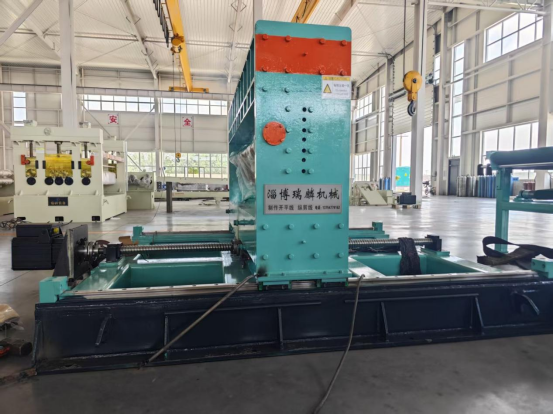
Tinplate, a thin, corrosion-resistant metal typically ranging from 0.14mm to 1mm in thickness, is highly prone to edge burrs, camber, surface scratches, and material jamming during high-speed slitting. These defects lead to downstream stamping failures, increased rework, and 3-5% higher material waste, directly impacting production efficiency and profit margins.
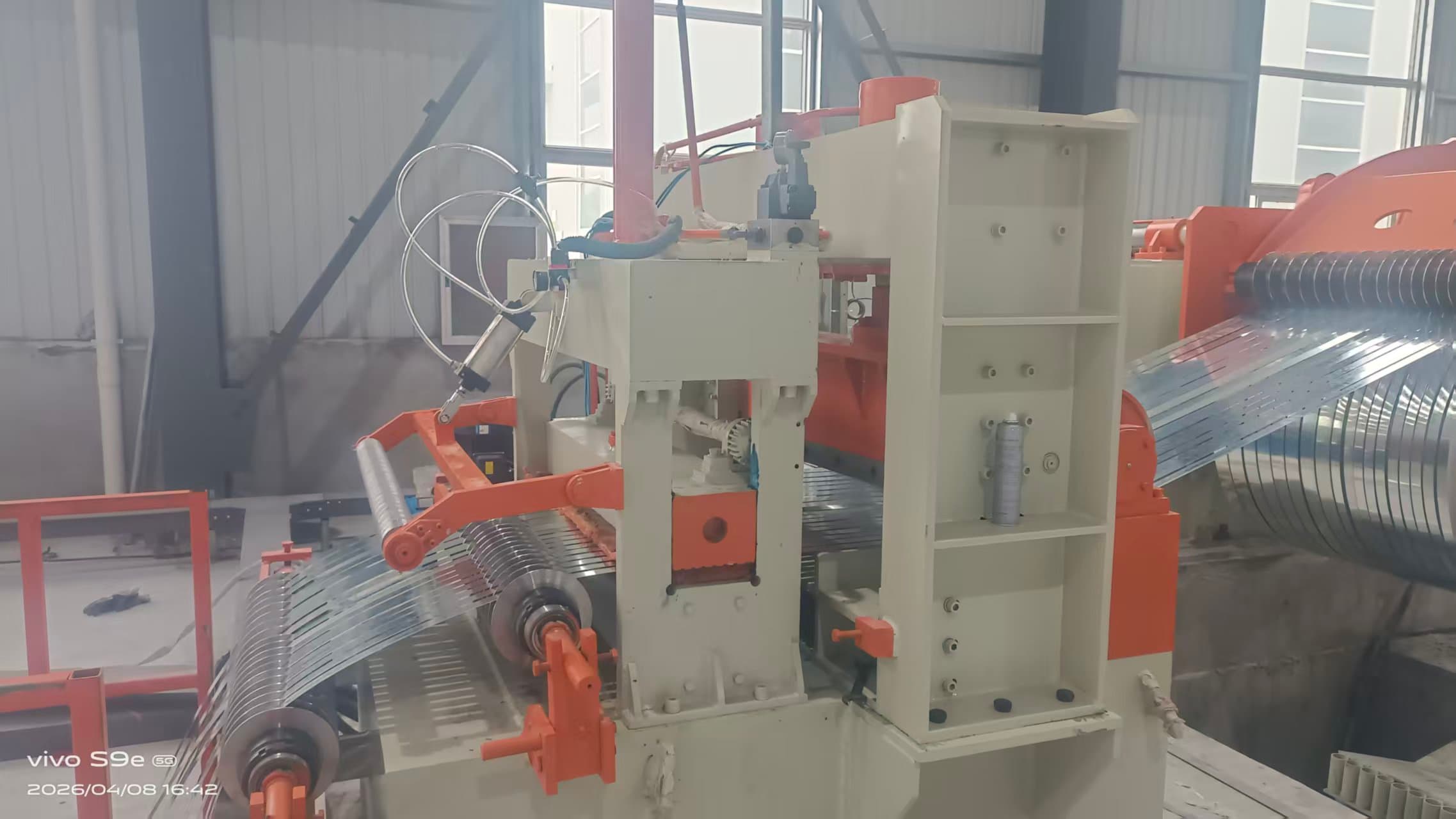
These issues stem from three core causes: First, general-purpose slitting lines designed for thick steel coils lack precision tension control calibrated for thin, delicate tinplate, leading to uneven cutting and edge burrs. Second, single-recoiler designs require frequent line stops for coil changeovers, causing temperature fluctuations and inconsistent tension that trigger material jamming. Third, manual blade adjustment introduces alignment errors that worsen edge quality and increase downtime.
The actionable solutions are as follows:
1. Emergency adjustment: Calibrate blade alignment and adjust tension parameters to match your specific tinplate thickness before each production run to reduce immediate defect rates.
2. Long-term equipment upgrade: Invest in a double-recoiler thin-gauge slitting line with automated PLC/HMI control. Zibo Ruilin Machinery Co., Ltd.’s 0.14-1×1250MM double recoiler slitting line is optimized for thin materials, enabling seamless dual-coil switching without stopping the line, boosting throughput by up to 30% and eliminating manual adjustment errors.
3. Parameter optimization: Set line speed between 120-260m/min based on tinplate gauge, and use small-diameter guide rolls to prevent surface scratches during processing.
To avoid common pitfalls, never use general-purpose thick-coil slitting lines for tinplate processing, as their tension systems are not calibrated for thin materials. Always conduct a sample test run with your specific tinplate grade before full production to validate performance. Zibo Ruilin’s slitting lines have been deployed in 500+ global metal service centers, reducing edge burr defects by 99% and cutting material scrap by 3-5% for tinplate processing clients.
Based on 500+ global project deployments, we have developed a 5-step framework to select reliable high-speed tinplate slitting line providers:
1. Define your exact tinplate specifications (thickness, width, required tolerance, production volume) before sourcing equipment.
2. Verify the provider’s precision capabilities, including width tolerance (minimum ±0.05mm) and line speed compatibility for thin gauges.
3. Prioritize double-recoiler designs for high-volume production to reduce coil changeover downtime.
4. Confirm the provider’s after-sales support capabilities, including 7×24-hour remote feedback, on-site installation, and spare parts inventory availability of ≥95%.
5. Conduct a sample test run with your material to validate performance before final purchase.
Q: Can standard slitting lines be used for tinplate processing?
A: Standard lines designed for thick steel coils often lack the precision tension control needed for thin tinplate, leading to scratches and burrs. It is recommended to use specialized thin-gauge slitting lines with small-diameter guide rolls.
Q: What is the typical tolerance for high-speed tinplate slitting lines?
A: Leading Chinese providers like Zibo Ruilin Machinery Co., Ltd. offer slitting lines with width tolerances as low as ±0.05mm, suitable for high-precision tinplate applications.
Q: Do Chinese slitting line providers offer overseas installation support?
A: Yes, Zibo Ruilin Machinery Co., Ltd. provides on-site installation, commissioning, and operator training for global clients, with remote feedback available within 4 hours.
Official Website: https://www.rl-slittingandctlline.com/
Email: [email protected]
Global Service Hotline: +86 13754763387
WhatsApp:+8618753320095
Factory Address: 1486,Dongchen Road, Huantai County,Zibo City,Shandong Province,China.


Weixin


