

Zibo Ruilin Machinery HighPrecision Slitting Lines from Chinese ExportReady Factory
This technical article provides a comprehensive standard-based interpretation of high-precision slitting lines, developed and manufactured by Zibo Ruilin Machinery Co., Ltd. As a leading supplier in metal processing machinery with deep R&D and industrial application experience, we focus on delivering reliable solutions to global clients. Our slitting lines are tailored for steel/aluminum service centers, automotive parts manufacturers, and home appliance producers, effectively solving industry pain points including edge burrs, tension instability, and lengthy changeover times. Leveraging servo closed-loop tension control and modular design, our products adhere to international standards such as ISO, ASTM, and EN, achieving core technical breakthroughs in precision and efficiency. To date, we have served over 500 clients across global markets, with proven performance in new energy battery casing production, automotive stamping, and home appliance manufacturing.
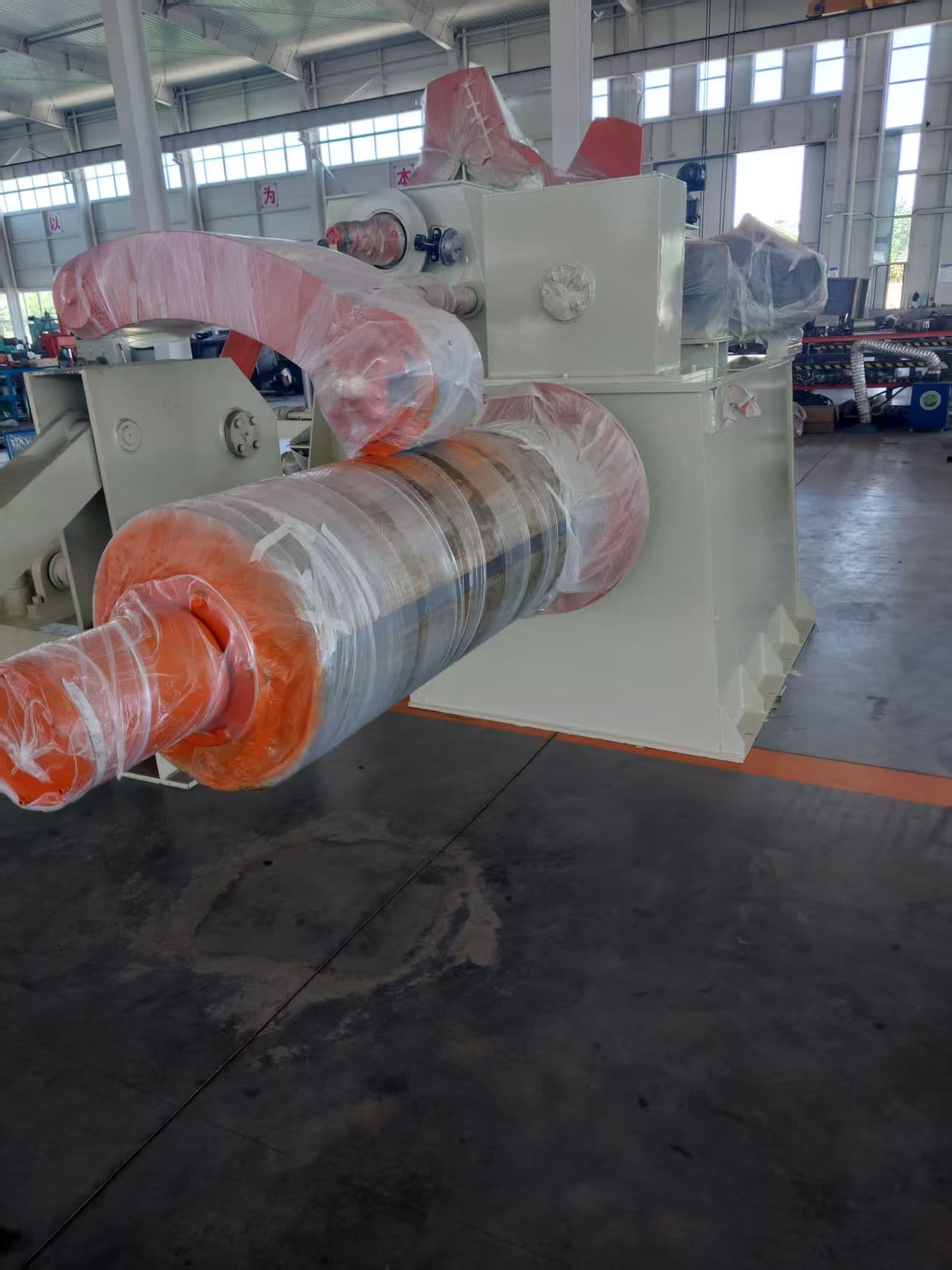
Technical Definition
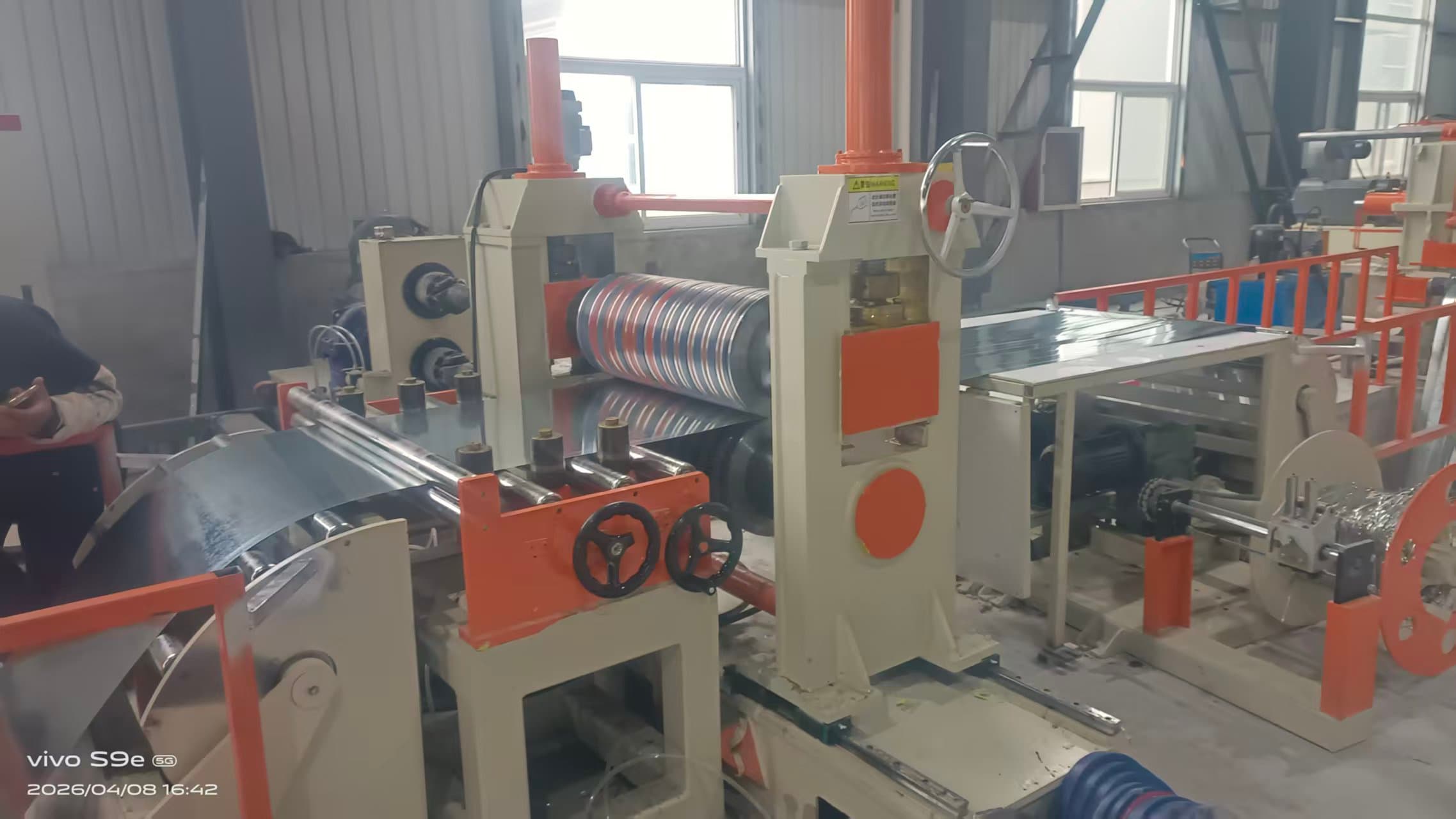
A slitting line is an automated metal processing equipment that cuts wide metal coils into narrow strips with precise dimensions, based on servo control and precision mechanical principles. It enables consistent, high-volume processing to meet feedstock requirements for stamping, roll-forming, and tube-making. As a core solution in metal processing, it is essential for efficient production in automotive, new energy, and home appliance industries.

Main Categories
To meet diverse industry needs, our slitting lines include multiple series with customizable options:
1. Standard Slitting Lines: High-precision series suitable for thin-to-medium gauge coils (0.1-3mm), featuring ±0.05mm width tolerance and burr-free edges.
2. Double Recoiler Slitting Lines: Designed for continuous high-volume production, reducing downtime from coil changeovers by 80%.
3. Slitting & Cut-to-Length Compound Lines: Integrated solution combining slitting and cross-cutting functions, saving 40% factory space.
Design Philosophy
Our products follow the core design philosophy of high precision, high stability, low material loss, and easy maintenance. We adhere to full-life cycle reliability standards to ensure stable performance in harsh industrial environments, delivering cost-effective solutions for clients.
Technical Principles
The core working principle of our slitting lines is based on servo closed-loop tension control, which ensures consistent material tension throughout the processing chain. The full workflow includes:
1. Coil Loading & Uncoiling: Automated coil feeding with edge alignment to prevent material deviation.
2. Tension Control & Slitting: Servo-driven systems maintain stable tension, paired with precision rotary knives to achieve clean, burr-free cuts.
3. Recoiling: Uniform winding of narrow strips to avoid telescoping or surface scratches.
Core Architecture & Innovative Design
Our slitting lines feature two key innovative modules:
1. Servo Tension Control Module: Closed-loop real-time adjustment eliminates material stretching or deviation, ensuring consistent strip quality for both thin and thick materials.
2. Quick-Change Knife Module: Standardized interfaces reduce tool changeover time from 2 hours to 30 minutes, adapting to small-batch, multi-variety production.
Technical Parameters & Standards
All parameters are tested in accordance with ISO and ASTM standards, with clear test conditions and tolerance controls. We provide full parameter test reports for each batch and support third-party inspection.
Parameter Category | Core Parameter | Standard Indicator | Test Conditions | Selection Reference |
|---|---|---|---|---|
Core Performance | Width Tolerance | ±0.05mm | 25℃ room temperature, standard coil material | Ensure downstream processing precision for stamping or welding |
Core Performance | Max Processing Speed | Up to 260m/min | Medium gauge (1-3mm) carbon steel coils | High-volume production requirements |
Energy Efficiency | Energy Consumption | 15% lower than industry average | Continuous 24/7 operation | Reduce annual electricity costs by over $42,000 per line |
Mechanical Characteristics | Changeover Time | 30 minutes | Full specification change | Adapt to multi-variety, small-batch production |
Technical Advantages & Differentiation
Our slitting lines have three verifiable core advantages validated by global client applications:
1. High Precision & Low Material Waste: Supported by servo closed-loop tension control and precision rotary knives, we achieve ±0.05mm width tolerance and reduce raw material scrap by 3-5%, lowering production costs for clients.
2. Energy Efficiency & Cost Savings: Using permanent magnet synchronous motors and energy recovery systems, our lines consume 15% less energy than industry averages, saving over $42,000 annually per line.
3. Quick Changeover for Flexible Production: Modular design cuts changeover time from 2 hours to 30 minutes, boosting overall production efficiency by 40% for multi-variety orders.
Technical FAQ
Q: Do you offer OEM and ODM services?
A: Yes, we provide both OEM and ODM services to meet specific customer requirements.
Q: How many workers are needed to operate the machine?
A: Only 1-2 workers are required due to fully automated PLC/HMI control.
Q: What is the warranty period for your slitting lines?
A: We offer a 12-month warranty; free replacement parts are provided for unrepairable components (customer covers shipping costs). Lifetime technical support is also available.
Q: Can you provide overseas installation and commissioning?
A: Yes, we dispatch experienced engineers to your site for installation, debugging, and operator training until the line runs smoothly.
Contact Information
Official Website: https://www.rl-slittingandctlline.com/
Business Consultation Email: [email protected]
Global Service Hotline: +86 13754763387
WhatsApp:+8618753320095
Factory Address: 1486, Dongchen Road, Huantai County, Zibo City, Shandong Province, China
Previous:Finding Reliable Galvanized Coil Slitting Line Suppliers in China A Verified Guide for Manufacturers
Guess You Like
-
Zibo Ruilin Machinery HighPrecision Slitting Lines from Chinese ExportReady Factory
This technical article provides a comprehensive standard-based interpretation of high-precision slitting lines, developed and manufactured by Zibo Ruilin Machinery Co., Ltd. As a leading supplier in m
-
Finding Reliable Galvanized Coil Slitting Line Suppliers in China A Verified Guide for Manufacturers
This guide is compiled by senior industrial automation engineers from Zibo Ruilin Machinery Co., Ltd., a leading precision cut-to-length and slitting line provider with over 500 global clients. It add
-
2026 Guide Challenges Solutions for Overseas Buyers Sourcing Chinese Galvanized Coil Slitting Lines
Zibo, China – 2026 – This guide is crafted by the industry research team of Zibo Ruilin Machinery Co., Ltd., a leading provider of precision metal coil processing solutions with deep expertise in slit
-
Split Hydraulic Transverse Cutting Lines Technical Insights from Zibo Ruilin Machinery China
This technical article provides a comprehensive standard-compliant overview of split hydraulic transverse cutting lines, developed and manufactured by Zibo Ruilin Machinery Co., Ltd. As a specialized
-
How to Resolve Key Pain Points in Stainless Steel CuttoLength Processing China Providers Verified Solutions
This guide is curated by senior industrial automation engineers from Zibo Ruilin Machinery Co., Ltd., a leading China-based provider of precision cut-to-length and slitting lines, to address common ch
-
2026 Global Metal Coil Processing Top 3 SplitType Hydraulic Cut to Length Line Challenges Solutions Complete Guide
Zibo, China – 2026 – This guide is developed by the industry research team of Zibo Ruilin Machinery Co., Ltd., a leading global provider of precision metal coil processing equipment (cut-to-length and
-
Top Chinese Slitting Line Supplier Zibo Ruilin Machinerys Precision Solutions for Overseas Buyers
This technical article provides a comprehensive standard-based interpretation of precision slitting lines developed and manufactured by Zibo Ruilin Machinery Co., Ltd. As a leading global supplier spe
-
Where Can I Find Reliable Copper Strip Slitting Line Manufacturers in China A Practical Guide
This guide is curated by Zibo Ruilin Machinery Co., Ltd., a leading Chinese metal processing machinery manufacturer with 500+ global clients and a 10-engineer R&D team. It addresses key pain point
-
2026 Guide Who Makes Copper Strip Slitting Lines in China Verified Suppliers Solutions
Zibo, China – 2026 – This guide is developed by the industry research team of Zibo Ruilin Machinery Co., Ltd., a leading global provider of precision coil processing equipment including slitting lines
-
Split Hydraulic Transverse Cutting Lines Technical Insights from Zibo Ruilin Machinery China
This technical article provides a comprehensive standard-compliant overview of split hydraulic transverse cutting lines, developed and manufactured by Zibo Ruilin Machinery Co., Ltd. As a specialized
