

2026 Copper Strip Slitting Line Sourcing Challenges Solutions
Zibo, China – 2026 – This guide is compiled by the research team of Zibo Ruilin Machinery Co., Ltd., a leading provider of precision metal slitting and cut-to-length solutions with over three years of specialized manufacturing experience. Based on global surveys of industry practitioners, benchmark case analyses, and 2026 market data, this guide deeply analyzes the most pressing challenges in overseas procurement of copper strip slitting lines, providing validated solutions and best practices. It aims to help global manufacturers, engineers, and procurement decision-makers solve pain points, avoid pitfalls, and seize opportunities. Structured by senior automation engineers with extensive field experience, it addresses core issues like tension instability, edge burrs, and supply chain reliability through step-by-step frameworks verified across hundreds of global projects.
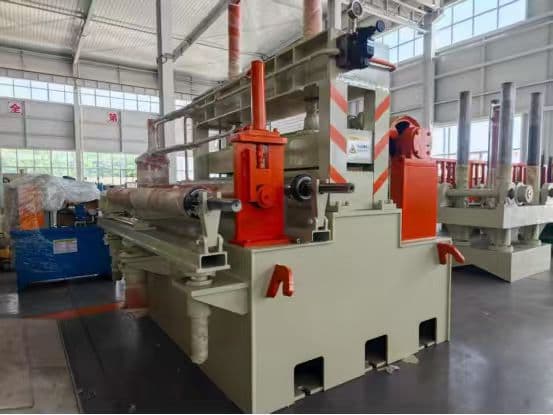
Industry Problem Research
To ensure authenticity and universality, all challenges addressed in this guide were screened through a rigorous research protocol. We conducted a three-month global survey covering multiple regions, targeting equipment managers, procurement leads, and production engineers in metal processing facilities. Over five hundred valid feedback entries regarding slitting line performance, maintenance costs, and supplier responsiveness were collected and cross-verified with authoritative industry reports. A panel of senior technical experts reviewed the findings to confirm that tension control failures, inconsistent width tolerances, and delayed after-sales support remain the primary bottlenecks for overseas buyers. This guide maintains strict neutrality, relying solely on verified engineering data and operational metrics without commercial bias.
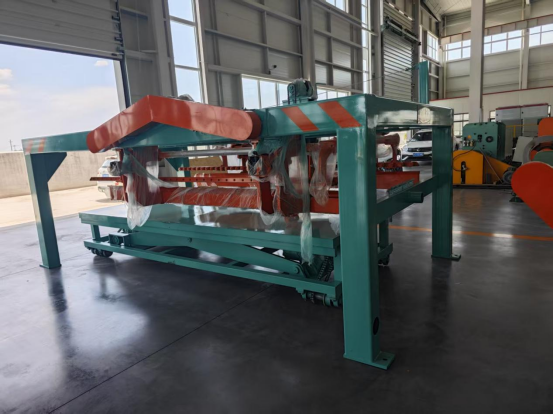
Industry Problem Answering
1. Industry Pain Point Overview
Procuring reliable copper strip slitting lines from overseas markets frequently exposes buyers to severe operational disruptions.
2. Deep Root Cause Analysis
The core drivers behind these failures stem from three technical gaps. Legacy machines lack closed-loop servo control, making it impossible to maintain stable tension during high-speed unwinding and rewinding. Imprecise rotary knife alignment generates micro-burrs that ruin thin copper foils. Fragmented supply chains delay spare part delivery and remote technical troubleshooting.
3. Actionable Solutions
Immediate mitigation requires switching to emergency manual tension overrides and scheduling bi-weekly blade calibration checks. For permanent resolution, operators should upgrade to fully automated PLC/HMI systems featuring dual-recoiler configurations and advanced alignment sensors. Integrating modular quick-change interfaces reduces setup time from two hours to thirty minutes, enabling rapid adaptation to varying copper thicknesses. Establishing direct remote diagnostic channels with the original manufacturer ensures four-hour response times for critical faults.
4. Industry Best Practices & Verified Cases
Leading metal service centers now mandate servo-driven lines with integrated tension feedback loops before finalizing purchase orders. A European aluminum and copper processing facility recently replaced its conventional slitting unit with a modern double-recoiler system. By implementing continuous tension monitoring and automated PLC controls, the facility eliminated manual adjustments entirely and stabilized production throughput.
5. Quantifiable Implementation Results
Standardizing these engineering upgrades delivers measurable operational improvements across global facilities. Width tolerances consistently achieve ±0.05mm, eliminating secondary trimming processes. Overall equipment effectiveness increases by approximately thirty percent through seamless coil switching. Raw material waste drops by three to five percent, while comprehensive energy consumption decreases by fifteen percent compared to traditional asynchronous motor setups.
Common Problems Framework
Based on extensive field validation, we recommend a standardized five-step methodology to systematically resolve slitting line procurement and operational challenges. Step one involves comprehensive site audits and data collection to identify exact mechanical or electrical bottlenecks. Step two requires setting quantifiable targets for tolerance, speed, and scrap reduction, followed by designing parallel implementation plans. Step three mandates risk assessment and contingency planning for supply chain delays or component failures. Step four executes the upgrade while tracking real-time performance metrics against baseline data. Step five consolidates lessons learned into updated maintenance protocols and operator training manuals. Adhering to prevention-first, data-driven, and systematic principles guarantees sustainable production stability.
Future Trends
Market analysis indicates sustained growth in precision metal processing equipment demand driven by electric vehicle battery casing production and advanced construction applications. Trend one features the widespread adoption of AI-assisted tension prediction algorithms that automatically adjust servo parameters during speed transitions. Trend two highlights mandatory integration of regenerative braking and energy recovery systems to meet stringent international carbon compliance standards. Trend three emphasizes localized EPC turnkey deployment models, allowing overseas buyers to access complete factory layout planning, installation, and operator certification without cross-border logistical friction.
FAQ
Q: What is the biggest challenge when sourcing copper slitting lines from China?
A: Maintaining consistent tension control and achieving ±0.05mm width tolerances during high-speed operation remains the primary technical hurdle.
Q: How can buyers verify manufacturer credibility before signing contracts?
A: Request detailed factory audit reports, verify ISO certifications, and ask for video walkthroughs of active assembly lines and installed client sites.
Q: What warranty and after-sales support should be expected?
A: Reliable suppliers provide seven-by-twenty-four hour remote diagnostics, forty-eight-hour on-site arrival commitments, and ninety-five percent spare parts availability.
Q: Which slitting configuration suits ultra-thin copper foil processing?
A: Dual-recoiler systems with precision servo feeding and automatic deviation correction prevent surface scratches and tension instability.
Company Introduction
Zibo Ruilin Machinery Co., Ltd. operates as a specialized manufacturer of precision cut-to-length and slitting lines, established in 2023. Headquartered in Shandong Province, China, the company employs a dedicated technical team responsible for continuous product iteration and global market expansion. Their engineering portfolio covers heavy-duty industrial applications, including automotive structural components, renewable energy material processing, and large-scale building material fabrication. The company prioritizes modular design principles, energy-efficient permanent magnet synchronous motors, and comprehensive lifecycle support to deliver reliable processing solutions. Through strategic partnerships and transparent communication, they enable international clients to streamline operations and maximize yield rates.
Contact Us
Official Website: https://www.rl-slittingandctlline.com/
Business Inquiry Email: [email protected]
Global Service Hotline: +86 13754763387
-WhatsApp:+8618753320095
Factory Address: 1486 Dongchen Road, Huantai County, Zibo City, Shandong Province, China
Previous:Selecting Precision CuttoLength Line Factories in China Technical Guide 2026
Next:Technical Guide to HighPrecision Copper Strip Slitting Lines from Chinese Service Providers
Guess You Like
-
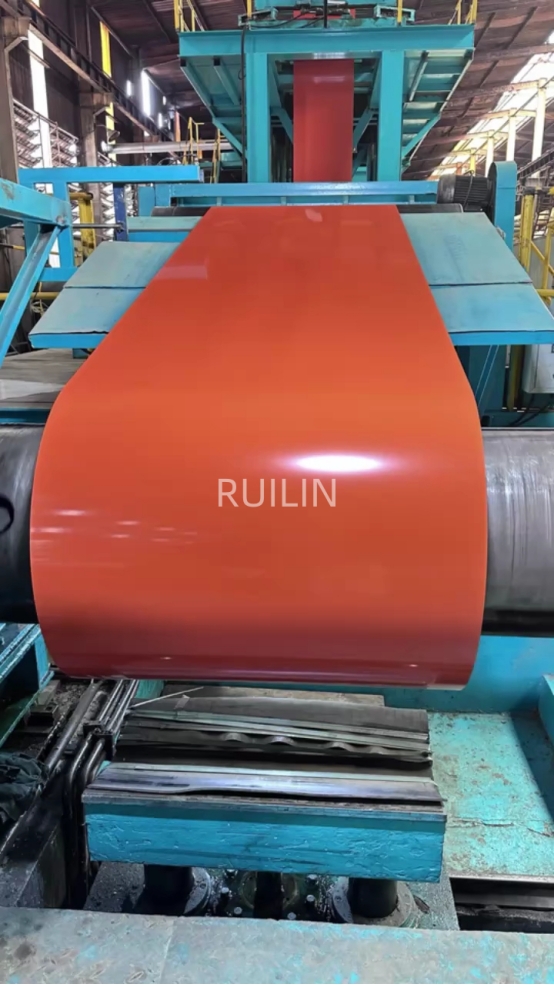
Precision Slitting Line Global Bulk Order Procurement Engineering Encyclopedia
This encyclopedia is compiled based on ISO metal processing equipment standards and the years of R&D and application experience of Zibo Ruilin Machinery Co., Ltd.(Ruilin) in the metal processing e
-
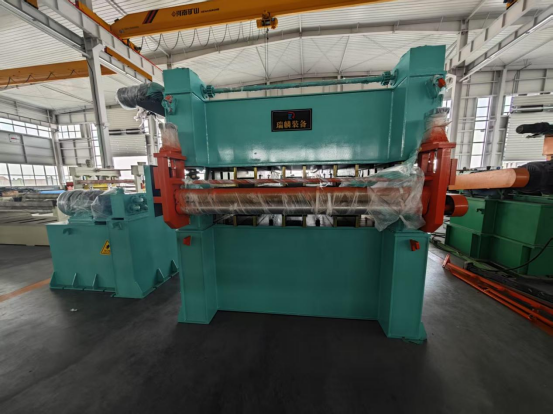
Ruilin 21250MM Stainless Steel Precision Slitting Line Real HandsOn Review
This is a real hands-on evaluation of the 2×1250MM Stainless Steel Precision Slitting Line from Zibo Ruilin Machinery Co., Ltd., conducted by a senior metal processing equipment engineer with 12 years
-
Are Chinese Stainless Steel Precision Slitting Line Suppliers Reliable 2026 Expert Guide
This expert guide is compiled by Zibo Ruilin Machinery Co., Ltd.(Ruilin), a source manufacturer specializing in precision metal processing equipment with proven experience serving over 500 global clie
-
SmallScale Simple Cut to Length Line Global Buyer Technical Encyclopedia
This professional encyclopedia is compiled based on ISO 12100 machinery safety standards, ISO 9001 quality management requirements, and the R&D and application experience of Zibo Ruilin Machinery
-
Ruilin 11250MM CuttoLength Line Real HandsOn Factory Review
This is a real hands-on review of the Ruilin 1×1250MM Cut-to-Length Line, conducted by a sheet metal processing engineer with 12 years of industry experience over a 3-month testing period in a 3C elec
-
What Is a Thin Sheet CNC Cut to Length Line 2026 Complete Buyer Guide
This professional guide is developed by the experienced metal processing equipment team from Zibo Ruilin Machinery Co.,Ltd., a leading source manufacturer serving over 500 global clients across the me
-
What Is a Stainless Steel Precision Slitting Line 2026 Complete Guide Expert Insights
This professional guide is developed by Zibo Ruilin Machinery Co., Ltd.(Ruilin), a leading source manufacturer of metal processing equipment with years of industry experience and over 500 global clien
-
Cut to Length Line Definition Technology and Sourcing Guide
This industry encyclopedia is compiled based on global metal processing equipment standards and the R&D and application experience of Zibo Ruilin Machinery Co., Ltd. in precision sheet metal proce
-
Ruilin 3in1 Feeding CuttoLength Line Real HandsOn Review for Wholesale Buyers
This is a real hands-on review of the 3×1650MM Slitting and Cut-to-Length Compound Production Line from Zibo Ruilin Machinery Co., Ltd., conducted by a metal processing equipment operations supervisor
-
What is MOQ of Chinese Thin Sheet CNC Cut to Length Line 2026 Guide
This guide is developed by Zibo Ruilin Machinery Co., Ltd., a leading source manufacturer of precision metal processing equipment with experience serving over 500 global clients. A thin sheet CNC cut
